Building a new residential home in West Michigan offers unique design and material selection advantages. Moore & Sons Roofing understands that new construction roofing provides a clean slate, allowing homeowners to start with fresh, cutting-edge materials and modern installation techniques.
The Process Of New Construction Roofing
New construction roofing follows a structured system that starts with planning the design layout and ends with a final inspection.
1. Planning & Design
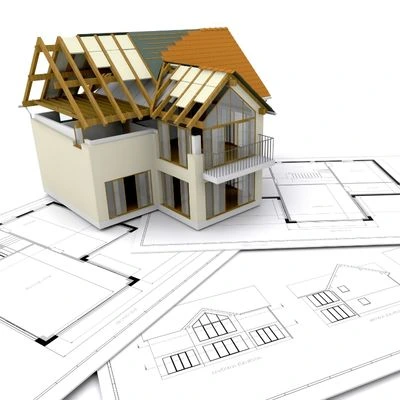
Architects, builders, and contractors (including roofers) collaborate to plan the roof’s layout, pitch, structural needs, and materials, ensuring the new roof is appropriate for the location’s climate, matches the home’s style, and complies with codes. Careful planning prevents issues and guarantees durability.
2. Constructing The Trusses/Rafters
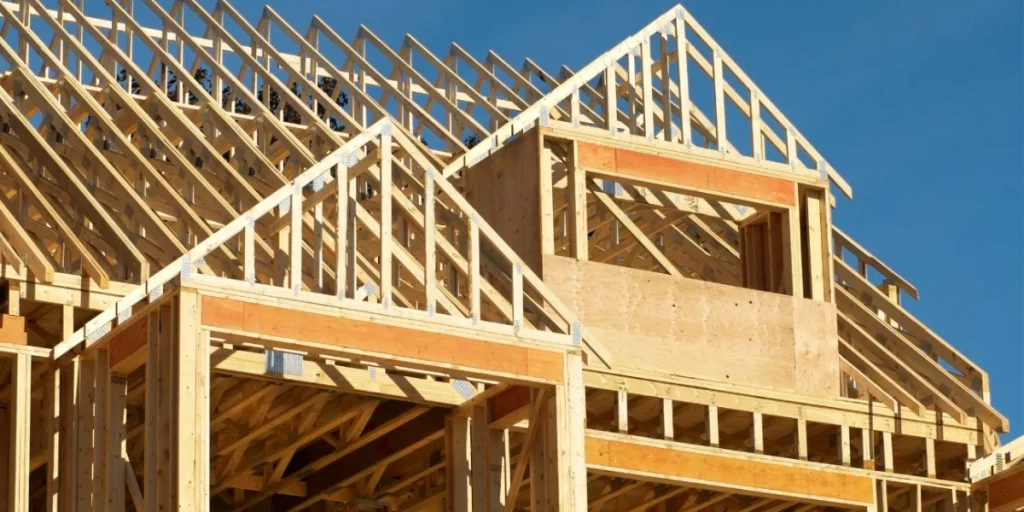
Once walls are complete, builders lift and secure roof trusses or hand-frame rafters onto the structure. This forms the skeleton, supporting all of the layers of the future roof. Precise alignment and anchoring of the rafters or trusses guarantee even weight distribution and the strength and stability of the roof.
3. Sheathing Installation
At this stage, the roofer attaches plywood or OSB sheathing (decking) to the trusses or rafters to form a stable, flat surface for underlayment and the external roofing materials.
4. Adding Roof Underlayment
Synthetic or felt underlayment is rolled over the sheathing as a moisture barrier, offering temporary protection during construction until installation of final materials. Later, it will protect the home from water infiltration by wind-driven rain or damaged shingles.
5. Roofing Material Installation
Shingles, metal panels, tiles, or other materials are installed per the manufacturer’s specs. Roofers work from the bottom up, overlapping rows for water runoff. This layering offers optimal protection, curb appeal, and weather resistance.
6. Ventilation System Installation
Ridge vents, soffit vents, and other ventilation systems are installed to facilitate attic airflow. Proper ventilation prevents moisture, extends roof life, and boosts energy efficiency. It also maintains stable attic temperatures and reduces mold risk.
7. Sealing & Detailing
All edges, seams, and nail holes are sealed with roofing cement or adhesives. Additional components like drip edges, ridge caps, and pipe boots are added. This step further ensures the entire roof system is weatherproof and visually appealing.
8. Final Inspection & Cleanup
The roofer and inspector thoroughly check the new roof for proper installation and code compliance. The roofer verifies quality, performs touch-ups, and clears debris, ensuring the roof is ready to protect the new home.
What Choices Do New Homeowners Have In Roofing?
New homeowners can choose from various roofing materials, including asphalt shingles, metal roofing, and synthetic materials. Each alternative offers different durability, energy efficiency, aesthetics, and cost benefits, allowing homeowners to select the best choice for their needs.
Expectations For Roofing In New Home Construction
Manufacturers design roofing to offer decades of weather protection, energy efficiency, and aesthetic appeal. When working with a qualified contractor who follows industry best practices, a homeowner can expect code compliance, professional installation, comprehensive warranty coverage, and minimal maintenance needs.
Long-Lasting Performance
Homeowners need a durable roof that will last decades without major issues. Selecting proper materials ensures optimal performance. Roof longevity also depends on efficient ventilation, quality insulation, and skilled craftsmanship.
Weather Resistance
A new roof must reliably protect against severe weather, including moisture impermeability, wind resistance, and the capacity to shed snow and ice. Materials should suit the climate to prevent leaks, water damage, and costly repairs.
Proper Ventilation
Sufficient roof ventilation is crucial for energy efficiency and roof longevity. It regulates attic temperatures, reduces moisture, and prevents mold or rot. A well-designed system promotes a healthier home and ensures the new roof performs effectively.
Energy Efficiency
Energy efficiency is key in new roofing, with proper insulation and reflective (or cool) materials reducing costs. Well-ventilated systems control attic temperatures and humidity levels, enhance comfort, and support eco-friendly homes.
Code Compliance
New roofs must adhere to complex local building codes, ensuring proper installation, materials, and resilience. Inspections verify compliance, protecting builders and homeowners, and certifying safety and performance.
Aesthetic Appeal
New homeowners want color, style, and materials that match their exterior design. The new roof must align with trends and neighborhood standards, boosting value and curb appeal, and meet durability and weather resistance needs.
Warranty Coverage
Homeowners rely on ironclad warranties from manufacturers and contractors. A new roof should include warranties for workmanship and materials, offering reasonable protection from defects or premature failure.
Professional Installation
Only a licensed roofing professional should install a new roof to ensure quality workmanship that prevents issues like misaligned shingles. A qualified roofer follows safety standards and best practices to guarantee the right results.
Hiring Michigan’s Premier New Roof Construction Contractor
Moore & Sons Roofing offers certified expertise for new construction projects across the Grand Rapids area. Our skilled team guarantees quality installation, adherence to codes, and durability, giving new homeowners peace of mind and safeguarding their most valuable investment. Contact us today to schedule your consultation.